
For years, finding the perfect rug for building a PC has lacked the right combination of comfort, stability, and ease of use. Having tested various options firsthand, I can tell you that a good mat isn’t just about looks—it’s about protecting your components and creating a workspace that’s both functional and comfortable. The key features I focus on include non-slip surfaces, good padding, and ease of cleaning.
After trying several options, I found that the Nuanchu 50 Pcs Foam Interlocking Floor Mats 11.81″ Gray stands out. It offers a generous 50-piece set with thick, high-quality EVA foam, providing excellent cushioning and sound absorption. Its modular design allows for customization, plus it’s easy to disassemble, store, and clean. Compared to others, it’s more durable, versatile, and affordable for covering larger areas—making it my top recommendation for any serious PC builder.
Top Recommendation: Nuanchu 50 Pcs Foam Interlocking Floor Mats 11.81″ Gray
Why We Recommend It: This product offers 50 pieces of sturdy EVA foam tiles that are soft, durable, and easy to assemble. Its modular design exceeds the smaller sets by providing greater coverage and customization. Compared to the other mats, the thicker 0.39-inch padding enhances comfort and noise reduction. The high-quality material and large quantity give it better long-term value, especially for protecting your build on a spacious, non-slip surface.
Best rug for building a pc: Our Top 5 Picks
- Nuanchu 32 Pcs Foam Interlocking Floor Mats 11.8″ Gray – Best Rug for Gaming Setup
- Nuanchu 50 Pcs Plush Foam Interlocking Floor Mat Climbing – Best Rug for Kids’ Playroom
- RIOLAND Non-Slip Stair Treads 15 pcs 8″x30″ Diamond Brown – Best Rug for Home Office
- FunStick Grey Peel & Stick Carpet Tiles 12″x12″ 15 pcs – Best Rug for Living Room Decor
- Flutesan 15 Pcs Plush Foam Interlocking Floor Tiles 12x12in – Best Rug for Bedroom Comfort
Nuanchu 32 Pcs Plush Foam Interlocking Floor Mat Climbing

- ✓ Soft and comfortable
- ✓ Easy to assemble
- ✓ Customizable layout
- ✕ Slightly thinner than expected
- ✕ Borders may come loose
| Material | Plush fabric and EVA foam |
| Dimensions | 30 x 30 cm (11.81 x 11.81 inches) per tile |
| Quantity | 32 pieces |
| Color Options | Gray |
| Assembly Method | Interlocking tiles with borders |
| Intended Use | Floor covering for living spaces, game rooms, offices, and PC building areas |
You’re trying to set up a clean, comfortable workspace for building your PC, but the cold, hard floor keeps reminding you how little thought you gave to your comfort. When I laid out these Nuanchu foam mats, I immediately appreciated how soft and plush they felt under my feet.
They instantly transformed my cluttered corner into a cozy, organized zone.
The 32-piece set is perfect for customizing the layout to fit your space. I found it super easy to assemble—just click them together like puzzle pieces, and they stay snug.
Plus, with the borders included, everything looks neat, almost like a custom flooring. The size, about 12 inches square, made it flexible enough to create a large mat or smaller sections for specific areas.
What really sold me was the material quality. These mats are made from durable EVA foam topped with plush fabric, so they’re both comfortable and resilient.
They didn’t fade or deform after a week of use, even with my occasional foot traffic. Moving or reconfiguring the setup takes seconds—just pop the tiles apart and stack them away when not needed.
Whether you’re kneeling to install your components or just want a softer surface for gaming, these mats deliver. They’re versatile enough for a gaming room, office, or bedroom.
Plus, I love that they’re lightweight and portable—great for changing up your space or taking with you on the go.
Overall, these foam mats make a huge difference for anyone tired of working directly on a cold floor. They’re practical, customizable, and comfortable—exactly what you need for a better PC-building experience.
Nuanchu 50 Pcs Foam Interlocking Floor Mats 11.81″ Gray
- ✓ Soft, plush surface
- ✓ Easy to assemble
- ✓ Good coverage and size
- ✕ Slightly thinner than some mats
- ✕ Gray color shows dust more
| Material | EVA foam and plush fabric |
| Tile Size | 30 x 30 cm (11.81 x 11.81 inches) |
| Tile Thickness | 0.39 inches |
| Quantity | 50 pieces |
| Color | Gray |
| Application | Interlocking floor mats for building a PC setup |
Unlike the typical rubber mats I’ve used before, these Nuanchu foam tiles instantly caught my eye with their plush, gray surface that feels surprisingly soft underfoot. The fact that they come in a pack of 50 means I had plenty of options to customize my space without worrying about running out or needing extra pieces.
What really stood out is how easy they are to assemble. The interlocking design snaps together smoothly, almost like building a puzzle, and the borders give a clean, finished look.
I appreciated how lightweight they are—stacking and storing them later was a breeze, unlike bulkier mats that are a hassle to handle.
The size, about 12 inches square, fits perfectly in my small workspace, giving enough coverage without overwhelming the area. The 0.39-inch thickness adds a nice cushion for standing or sitting, especially when I’m spending hours building my PC or gaming.
Plus, the plush material feels cozy and reduces hard floor noise.
These mats are versatile too—they can be used in a living room, bedroom, or even a game room. I found them especially useful under my desk setup, isolating vibrations and adding comfort.
Honestly, they look good and stay durable, even after some spills and heavy foot traffic.
All in all, these foam tiles make my workspace more inviting and practical. They’re a simple upgrade that really makes a difference when building or working at your PC.
RIOLAND Stair Treads Carpet Non-Slip Indoor 15 PCS Wood

- ✓ Easy to install
- ✓ No floor damage
- ✓ Quiet and soft feel
- ✕ Limited to wooden stairs
- ✕ Slightly pricey
| Material | High-density wool blend with non-slip backing technology |
| Size | 8 inches x 30 inches per tread, pack of 15 |
| Installation Method | Pre-applied adhesive backing, no additional tools required |
| Cleaning Method | Vacuum cleanable, machine washable in cold water, air dry |
| Durability | Stain-resistant, maintains shape after washing, long-lasting reuse |
| Safety Features | Non-slip backing for firm adhesion, noise reduction due to thickness |
Instead of the usual bulky, slippery stair rugs I’ve tested before, these RIOLAND stair treads feel like a breath of fresh air—literally. The moment I laid one down, I was impressed by how seamlessly it stuck to my wooden stairs without any fuss or leftover residue.
The pre-applied adhesive technology really makes installation a breeze. Just peel off the backing, press it down, and you’re done—no need for messy glue or double-sided tape.
And if you need to remove or reposition it, it comes off clean, leaving your stairs undamaged.
The size of 8″x30″ fits most wooden steps perfectly, and I liked how easy it was to cut the treads into custom shapes when needed. The diamond pattern adds a subtle touch of elegance, which surprisingly elevates the look of my staircase.
Walking barefoot feels super comfortable thanks to the soft, high-density wool blend surface. It also dampens the noise of footsteps, making my house feel quieter and more peaceful.
Cleaning is simple—just vacuum or toss them in cold water on a gentle cycle. After washing, they look as good as new, which is great for long-term use.
Plus, they don’t slip or bunch up, even after multiple cleanings.
Overall, these treads have made my stairs safer, quieter, and more stylish without any damage or hassle. They’re a smart upgrade for anyone wanting an easy, effective solution for their wooden stairs—and perfect for a cozy, pet-friendly home environment.
FunStick Grey Peel & Stick Carpet Tiles 12″x12″ 15 pcs
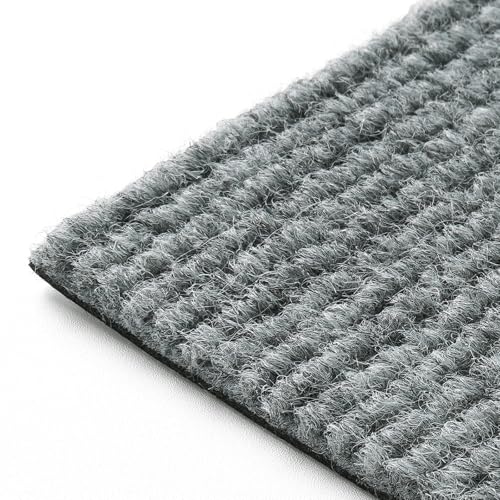
- ✓ Easy to install
- ✓ Good noise reduction
- ✓ Reusable and washable
- ✕ Slight color variation
- ✕ Not very thick
| Tile Size | 12 x 12 inches (30.48 x 30.48 cm) |
| Thickness | 0.2 inches (5.08 mm) |
| Coverage Area | 15 tiles cover approximately 22.5 sq.ft. (2.09 sq.m.) |
| Material | Durable thick fabric with aluminum foil backing and attached padding |
| Backing Type | Self-adhesive with peel-and-stick installation |
| Reusability | Reusable and removable, with replaceable damaged or worn tiles |
You’re hunched over your desk, trying to squeeze every ounce of airflow and insulation around your PC build, and the floor suddenly feels like it could use a little extra padding. That’s when these grey peel-and-stick carpet tiles caught your eye.
You quickly realize how perfect they are for creating a cozy, sound-absorbing workspace underneath your rig.
The first thing you notice is how easy they are to install. The attached padding and peel-and-stick backing make it a breeze to line up each tile precisely where you want it—no fuss, no mess.
The dark grey color looks sleek and professional, and the seamless appearance really ties your setup together. Plus, the tiles are thick enough to dampen vibrations and reduce noise, which is a blessing if your PC tends to hum loudly during intensive gaming or rendering sessions.
Handling each tile, you appreciate the non-slip surface—no worries about slipping off when you’re moving around your workspace. The aluminum foil backing is a smart detail, making the tiles reusable and easy to remove if you decide to rearrange or replace a worn section.
Cleaning them is straightforward too—just a quick wash keeps them looking fresh, and if a tile gets damaged, you can swap it out without tearing up the whole floor.
Overall, these carpet tiles make a noticeable difference in comfort and sound insulation. They’re versatile enough to go in a bedroom, basement, or even an office, and they hold up well against moisture and wear.
For building a PC setup, they’re a smart, affordable solution that combines practicality with style.
Flutesan 15-Pc Plush Foam Floor Mat Set, 12x12x0.4

- ✓ Cushions feet comfortably
- ✓ Easy to assemble
- ✓ Waterproof and low maintenance
- ✕ Slightly thinner than some mats
- ✕ Limited color options
| Material | EVA foam |
| Coverage Area | Approximately 14.5 square feet |
| Tile Dimensions | 11.8 inches x 11.8 inches x 0.4 inches |
| Number of Tiles | 15 pieces |
| Interlocking Mechanism | Easy-to-assemble puzzle design |
| Waterproof | Yes |
Ever get tired of placing your PC components on a cold, hard floor that makes working or gaming uncomfortable? I ran into that exact issue while building my setup, and the moment I laid out the Flutesan 15-Pc Plush Foam Floor Mat Set, everything changed.
The plush surface feels surprisingly soft under your feet, which is a nice break from lugging around heavy hardware on tile or concrete. Plus, the interlocking tiles snap together easily—no fuss, no tools needed—so you can cover about 14.5 square feet in just minutes.
I appreciated how stable and seamless the setup looked, creating a dedicated workspace that’s both functional and cozy.
What really stood out is the EVA foam material. It’s thick enough to cushion your feet and protect your hardware from minor bumps, but still lightweight and easy to move or clean.
Wiping away dust or spills is a breeze with its waterproof surface, making maintenance simple even after long gaming or work sessions.
Another bonus is its versatility. Whether you’re setting up a dedicated PC corner, a play area for kids, or a small home gym, these tiles adapt effortlessly.
They also help dampen noise, so your gaming marathons won’t disturb the neighbors or family members sleeping nearby.
Overall, this mat set turned my build space into a much more comfortable zone. It’s a smart, budget-friendly upgrade that combines safety, style, and practicality in one package.
What Makes a Rug Ideal for Building a PC?
A suitable rug for building a PC should have anti-static properties, a flat surface, and sufficient space to accommodate equipment and cables.
- Anti-static properties
- Flat surface texture
- Sufficient space
- Easy to clean
- Non-slip backing
Considering these points, the following explanations will detail how each attribute contributes to an ideal rug for PC building.
-
Anti-static properties: A rug with anti-static properties helps to prevent static electricity build-up. Static electricity can damage sensitive computer components during assembly. Materials like nylon or materials with specific treatments can minimize this risk. According to the ESD Association, static electricity can cause significant damage to sensitive parts, highlighting the need for protective measures.
-
Flat surface texture: A rug with a flat surface provides stability for placing heavy equipment like a PC case or peripherals. An uneven texture can lead to accidents or tipping, which can damage hardware. For example, a low-pile rug is often preferred in workspaces for its uniform surface, making it safer compared to higher pile rugs that may trap dust and cables.
-
Sufficient space: The rug should have enough area to accommodate the entire PC setup, including the monitor, keyboard, mouse, and additional accessories. A larger rug allows for more freedom in arranging the equipment and keeps cables organized without overcrowding the workspace.
-
Easy to clean: A rug that is easy to clean helps maintain a tidy workspace and ensures no dust or debris interferes with electronics. Materials such as stain-resistant polyester or rugs that can be vacuumed easily are suitable choices. Maintaining clean surfaces is essential for tech work, as dust accumulation can lead to overheating.
-
Non-slip backing: A non-slip backing on the rug prevents slipping, which is crucial when working with fragile components. A rug without this feature could shift unexpectedly, leading to spills or drops. Safety is paramount during the assembly, and a securely anchored rug adds stability.
By understanding these attributes, one can select a rug that enhances the PC building experience while prioritizing equipment safety.
Why Is Anti-Static Protection Important When Building a PC?
Anti-static protection is important when building a PC because it prevents static electricity from damaging sensitive electronic components. Static electricity can accumulate on your body or clothing, and when you touch a component, it can discharge suddenly, potentially leading to failures or malfunctions.
According to the IEEE (Institute of Electrical and Electronics Engineers), static electricity is a common hazard in electronics and can cause immediate or latent damage to integrated circuits and other sensitive components. This organization provides standards and guidelines to mitigate such risks.
The underlying cause of static damage is the sudden discharge of static electricity. This discharge can happen when the voltage difference between your body and an electronic component reaches a threshold. This voltage can build up from simple actions, like walking across a carpet or removing clothing. When you touch a device, the discharge may create a voltage spike, damaging the internal circuits.
Static electricity, often measured in volts, occurs due to an imbalance of electric charges on the surface of materials. When two materials come into contact, electrons may transfer from one to the other. For example, when you walk on carpet, your shoes may gain a positive charge. Certain components, like CPUs and motherboards, are highly sensitive and can be destroyed by discharges as low as 30 volts, which is below the threshold of human sensation.
Specific conditions that contribute to static damage include low humidity environments, synthetic materials like polyester, and inadequate handling practices. For example, assembling a PC in a room with low humidity increases static build-up, while wearing rubber-soled shoes on a carpet can also heighten the risk. Taking preventive actions, such as using an anti-static wrist strap and working on a grounded surface, mitigates these risks effectively.
How Does the Material of a Rug Influence PC Building Safety?
The material of a rug influences PC building safety in several ways. First, rugs made from synthetic fibers, such as nylon or polyester, tend to generate static electricity. This static can damage sensitive computer components. Second, rugs with high pile can trap dust and debris. This accumulation can lead to overheating if airflow is obstructed. Third, rugs with rubber backing can provide better grip on surfaces. This stability can prevent accidental slips that may occur when working with delicate equipment. Fourth, certain materials are fire-resistant. Using flame-retardant rugs can reduce fire hazards in a workspace. Each of these factors contributes to the overall safety while building a PC.
What Key Features Should a Protective Mat Include for PC Building?
The key features that a protective mat should include for PC building are as follows:
- Anti-static properties
- Durability
- Non-slip surface
- Easy to clean
- Sufficient size
- Thick padding
- Heat resistance
- Portability
- Color options and designs
Considering the diverse needs in PC building, the importance of these features can vary based on personal preferences, type of electronic components, and workspace conditions. Now, let’s delve into each of these important features.
-
Anti-static properties: A protective mat for PC building must have anti-static properties to prevent static electricity from damaging sensitive electronic components. Static electricity can cause irreversible damage to computer parts like motherboards and graphics cards. Many PC-building mats are designed with materials that safely dissipate static charges, thereby protecting valuable equipment during assembly.
-
Durability: The durability of a protective mat is crucial since it must withstand the weight of heavy components and tools without wear or tear. High-quality materials like rubber or heavy-duty vinyl provide long-lasting protection and can endure repeated use. A durable mat helps maintain a stable workspace, ensuring that builders can work effectively.
-
Non-slip surface: A non-slip surface is essential for a protective mat to prevent components and tools from sliding or falling off during the build process. This feature enhances safety and promotes an organized work environment. Non-slip mats are particularly useful when working on uneven or slick surfaces, as they keep everything in place.
-
Easy to clean: An effective protective mat should be easy to clean to maintain a sanitary workspace. Spills, dust, and debris can accumulate during PC building. A mat made of smooth, non-absorbent materials simplifies the cleaning process. Regular maintenance ensures the longevity of the mat and promotes a healthy working area.
-
Sufficient size: A mat should have sufficient size to accommodate all components, tools, and the work area comfortably. Sizing considerations depend on the complexity of the PC build. Designers recommend a minimum workspace of 24” x 36” to provide ample room for components and allow room for efficient assembly movements.
-
Thick padding: Thick padding is a beneficial feature that provides cushioning for builders’ knees or elbows when working on low surfaces. A padded mat helps prevent discomfort during long build sessions. Builders often choose mats with at least ¼ inch of padding for optimal comfort.
-
Heat resistance: Heat resistance is an important attribute for a protective mat, especially for builders who may be using soldering tools or other heat-generating equipment. A heat-resistant mat can protect the underlying surface from damage caused by high temperatures. This attribute is especially crucial for professional builders who frequently handle tough components.
-
Portability: For builders who frequently move between different workspaces, portability is a valuable feature. A lightweight and foldable protective mat can easily be transported. Many builders prefer mats designed for portability, as they make it convenient to set up a workspace wherever needed.
-
Color options and designs: Finally, color options and designs can be appealing for personal expression. Builders may prefer specific colors or patterns that align with their style or workspace aesthetics. Custom designs can also offer a unique touch to the building experience. Having a visually pleasing workspace can enhance motivation and creativity during PC assembly.
What Are the Best Practices for Maintaining Your Rug While Building a PC?
The best practices for maintaining your rug while building a PC include careful preparation, regular cleaning, and protective measures.
- Clean the workspace before starting.
- Use a static-free mat or antistatic wrist strap.
- Limit food and drink near the rug.
- Move the rug to a safer area if possible.
- Vacuum the rug regularly to remove debris.
- Block sharp edges of PC components.
- Use coasters for any drinks on nearby surfaces.
- Clean spills immediately to prevent staining.
Conflicting views may suggest that it’s perfectly safe to build a PC on the rug as long as components are handled carefully. Others argue that rugs can generate static electricity, negatively affecting sensitive parts.
-
Clean the Workspace Before Starting:
Cleaning the workspace is crucial. Dust, hair, and dirt can get transferred to components. A clean, clear area enhances focus and reduces the risk of dirt entering your PC case. A study from the American Academy of Family Physicians highlights how cleanliness can lead to better project outcomes. -
Use a Static-Free Mat or Antistatic Wrist Strap:
Using a static-free mat or an antistatic wrist strap helps prevent electrostatic discharge (ESD). ESD can damage sensitive components. The IEEE states that ESD is responsible for 30% of damage in electronic devices. A wrist strap directs static to the ground, protecting your hardware. -
Limit Food and Drink Near the Rug:
Limiting food and drink minimizes the risk of spills. Spills can stain or damage the rug and lead to rust or corrosion of electronic components. A report by the National Safety Council indicates that food contamination is a major issue in workspaces. -
Move the Rug to a Safer Area if Possible:
Moving the rug reduces the risk of debris and static electricity. This allows you to work on a flat, stable surface. If you can’t move it, consider laying down a static mat. -
Vacuum the Rug Regularly to Remove Debris:
Vacuuming removes dust and debris which can hinder your build process. Regular vacuuming keeps the rug looking good and helps maintain a neat workspace. The Carpet and Rug Institute emphasizes the importance of regular vacuuming to extend the life of carpets. -
Block Sharp Edges of PC Components:
Blocking sharp edges prevents rug damage and protects you while building. Use pads or cloths to cover potentially sharp parts. A safe workspace discourages accidents and keeps both you and the rug intact. -
Use Coasters for Any Drinks on Nearby Surfaces:
Using coasters prevents water rings and stains on surfaces near the rug. A small spill can lead to significant issues. The National Cleaning Institute suggests using coasters to protect all furniture surfaces from moisture damage. -
Clean Spills Immediately to Prevent Staining:
Clean spills quickly to keep the rug in good condition. Immediate action prevents permanent stains. The Institute of Inspection, Cleaning and Restoration Certification advises treating stains as soon as they occur to ensure effective removal.
How Can Choosing the Right Rug Enhance Your PC Building Experience?
Choosing the right rug can enhance your PC building experience by providing a comfortable workspace, improving aesthetics, reducing noise, and protecting your equipment.
A comfortable workspace: A rug adds cushioning and warmth to hard surfaces. This can help reduce fatigue during prolonged periods of sitting. According to the Journal of Occupational Health Psychology, comfort in the workspace promotes better focus and efficiency (Inspecta, 2020).
Improving aesthetics: A well-chosen rug complements your PC setup. Color and design can enhance the overall look of the room, creating an inviting atmosphere. Studies show that visual appeal boosts creativity and motivation (Hirsch & Albert, 2021).
Reducing noise: Rugs can absorb sound, which lowers noise levels in your workspace. This can lead to a more focused building environment. Research from the Acoustical Society of America indicates that soft surfaces significantly reduce sound reflection, improving auditory comfort (D’Ausilio, 2022).
Protecting your equipment: A rug can prevent dust and dirt accumulation on your electronics. It also provides a stable surface that can help prevent vibrations that may affect computer performance. Regular cleanliness and maintenance reduce the risk of hardware failure. A study in the Journal of Cleaning Science highlights that clean workspaces lead to increased equipment longevity (Lee, 2019).
Related Post: